Source CNC Machined Hookah Parts for Hardware, Auto, and Machinery
Find 30 verified listings for cnc machined hookah components sourced from China. Buyers can compare materials like brass and steel, custom logo options, and inspection standards across mass production suppliers offering small order quantities.
Key considerations
Products List


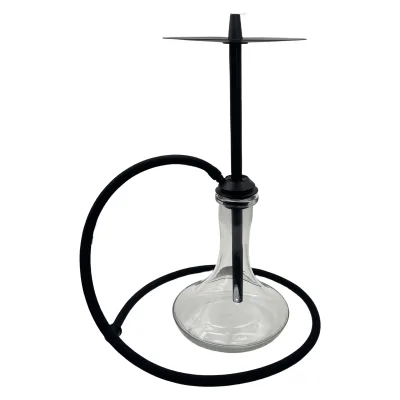
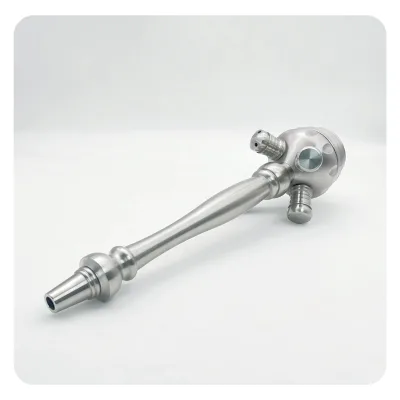
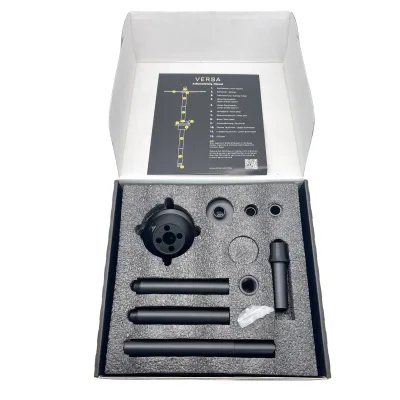
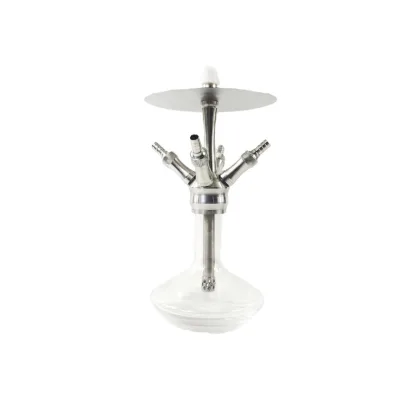


Comprehensive Sourcing Guide
Strategic Sourcing Guide for CNC Machined Hookah Components
The global market for precision-engineered smoking accessories has seen a significant shift toward high-quality, durable, and aesthetically customized components. Among these, CNC machined hookah parts represent a niche where mechanical precision meets artistic design. For procurement professionals, sourcing these items requires a disciplined approach that distinguishes between generic manufacturing capabilities and specialized production lines capable of handling complex geometries. This guide synthesizes available market data to provide a framework for evaluating suppliers, understanding technical constraints, and ensuring quality compliance without relying on unverified claims.
Technical Specifications and Material Selection
The foundation of any successful procurement strategy for CNC machined hookah components lies in the precise definition of technical specifications. The manufacturing process for these items typically involves high-precision machining centers, often utilizing 3-axis, 4-axis, or 5-axis CNC equipment to achieve the necessary tolerances. The material selection is a critical variable that dictates the final product's weight, thermal conductivity, and aesthetic finish. Based on observed market data, the raw material palette for these components is diverse, encompassing Iron, Aluminum, Copper, Alloy, Brass, Plastic, Steel, and Nylon.
When evaluating a potential supplier, buyers must verify the specific material grade being used. For instance, while Aluminum and Brass are common for their machinability and corrosion resistance, the presence of Copper or Steel may be required for specific weight or thermal properties. The supplied data indicates that production standards vary significantly, with some manufacturers adhering to international codes such as ASME, TEMA, JIS, APIEN, and China GB Codes, while others operate under custom standards. This variability necessitates a rigorous review of the product model numbers and associated specifications. For example, specific models like 2508121101 or HK-007 may have distinct dimensional requirements that differ from others like HK-142 or YX-0029.
Dimensional accuracy is paramount. Observed product attributes include specific height and weight metrics, such as a 11.36-inch height with a 600g weight for one configuration, or a 18.9-inch height with a 1200g weight for another. These variations suggest that the "one-size-fits-all" approach is ineffective. Buyers should request detailed CAD drawings and dimensional tolerance sheets for every order. The standard production method listed as "Extrusion" or "CNC Machining" must be confirmed against the specific geometry required. If the design involves complex internal threading or intricate surface patterns, the supplier's capability with 3/4/5 axis CNC centers becomes a primary selection criterion.
Compliance, Certification, and Safety Standards
In the realm of B2B procurement, compliance is not merely a formality but a critical risk mitigation strategy. While the core keyword focuses on CNC machined components, the end-use application involves products that interact with heat and air, making material safety and manufacturing standards essential. The supplied context highlights several certifications and standards that buyers should verify. These include ISOGS, RoHS, and CE certifications. It is important to note that while "CE" appears in both high-confidence and low-confidence lists, its specific applicability to the finished hookah component must be confirmed on a per-supplier basis.
The standard production codes mentioned, such as ASME, TEMA, and JIS, provide a framework for mechanical integrity. However, the presence of these codes in a supplier's general profile does not guarantee that every specific hookah part meets them. Buyers must explicitly request test reports or certification documents that link the specific product model (e.g., HK-132 or A071512) to the claimed standard. For materials like Plastic or Nylon, verifying RoHS compliance is crucial to ensure that the components do not contain restricted hazardous substances, which is a common requirement for export to European and North American markets.
Furthermore, the origin of the products plays a significant role in compliance. The data indicates that a substantial portion of these items originate from China, with specific mentions of Fujian as a production hub. While this region is a major manufacturing center, it also requires heightened due diligence regarding labor standards and environmental regulations. Buyers should ensure that the supplier's quality control protocols align with international expectations, particularly regarding the "100% Inspection Before Shipment" attribute observed in the market. This inspection process should be documented and, ideally, subject to third-party verification to ensure that the final product meets the agreed-upon safety and performance criteria.
Cost Drivers and Pricing Dynamics
Understanding the cost structure of CNC machined hookah components is essential for budgeting and negotiation. The observed price range in the market spans from $0.10 to $100.00 USD, a wide spectrum that reflects the diversity in material costs, machining complexity, and order volume. Several factors drive these costs. First, the material selection is a primary driver; components made from Copper, Brass, or high-grade Steel will inherently cost more than those made from Plastic or standard Aluminum. Second, the machining method and equipment used significantly impact the price. Utilizing 5-axis CNC centers allows for more complex geometries but incurs higher machine time and operational costs compared to 3-axis machining.
Order volume is another critical cost driver. The observed Minimum Order Quantity (MOQ) ranges from 1 to 500 units. Suppliers that accept small orders or offer "Small Orders Accepted" terms may charge a premium per unit to cover setup costs. Conversely, bulk orders often benefit from economies of scale, particularly when the production type is "Mass Production." The packaging requirements also influence the final cost. Some suppliers use simple Carton packaging, while others utilize more protective and expensive options like Wooden Crates, Cardboard Boxes, or Bubble Sheets with Inner Boxes. Buyers should clarify if these packaging costs are included in the unit price or billed separately.
Additionally, customization services such as custom logos, custom colors, and OEM/ODM availability add value but also increase costs. The "Creative Design" attribute suggests that unique designs may require additional engineering time and tooling, which should be factored into the total cost of ownership. When negotiating, buyers should request a breakdown of costs to understand the proportion attributed to raw materials, machining time, finishing processes like Spray Paint, and packaging. This transparency helps in identifying areas where cost reductions might be possible without compromising quality.
Typical Applications and Design Versatility
CNC machined hookah components serve a variety of applications beyond simple structural support. The observed attributes list applications such as Hardware Tools, Machinery Accessories, Fasteners, and Auto and Motorcycle Accessories, indicating that the manufacturing capabilities are versatile. In the context of hookahs, these components often function as connectors, bases, stems, or decorative elements that require precise fitting to ensure airtight seals and structural stability.
The design versatility is evident in the range of product models and dimensions. From a 4-inch diameter component to a 63cm tall assembly, the applications vary from tabletop accessories to large-scale floor-standing units. The "Creative Design" attribute suggests that suppliers are capable of producing aesthetically unique pieces that cater to specific market trends. The ability to accept custom colors and logos allows buyers to brand their products effectively, making these components suitable for both private label and white-label strategies.
Furthermore, the inclusion of "Accessories" in the product attributes implies that these components are often sold as part of a larger system. Buyers should consider the compatibility of these parts with existing hookah systems. For example, a component with a specific height or weight might be designed to balance a heavy bowl or support a long stem. The "Customized" standard option allows for bespoke solutions, enabling buyers to create unique product lines that differentiate them from competitors. However, this customization requires clear communication of design intent and rigorous prototyping to ensure that the final product functions as intended.
Supplier Evaluation and Quality Control Protocols
Selecting the right supplier is perhaps the most critical step in the sourcing process. The market data reveals a mix of production types, from mass production to small-batch customization. Buyers should evaluate suppliers based on their equipment capabilities, specifically their access to 3/4/5 axis CNC Machining Centers. The presence of such equipment indicates the ability to handle complex geometries and tight tolerances. Additionally, the "Production Type" being listed as "Mass Production" suggests that the supplier has the capacity to scale, which is beneficial for large orders.
Quality control is a non-negotiable aspect of procurement. The observed attribute of "100% Inspection Before Shipment" is a strong indicator of a supplier's commitment to quality. However, buyers should not rely solely on this claim. It is essential to request detailed quality control procedures, including the methods used for inspection, the criteria for acceptance or rejection, and the documentation provided for each batch. The "OEM/ODM Available" attribute suggests that the supplier is experienced in working with client specifications, which often requires a robust quality assurance framework to maintain consistency.
Suppliers should also demonstrate transparency regarding their origin and logistics. With origins listed as China and Fujian, buyers should be aware of potential logistical challenges and lead times. While specific lead times are not provided in the data, the range of MOQs and the nature of CNC machining suggest that lead times may vary based on order complexity and volume. Buyers should establish clear communication channels and request regular updates on production status to mitigate delays.
Long-Term Procurement Considerations
Sourcing CNC machined hookah components is not a one-time transaction but a long-term partnership that requires strategic planning. The ability to accept custom logos, colors, and designs suggests that suppliers are willing to adapt to changing market demands. However, buyers must ensure that the supplier can maintain consistency over time. This includes the ability to source the same materials, maintain the same quality standards, and adhere to the same production schedules year after year.
The "Wholesale" attribute indicates that the market supports bulk purchasing, which can lead to better pricing and supply chain stability. Buyers should consider building a relationship with suppliers who offer flexible MOQs, allowing them to test new designs with small orders before committing to large-scale production. This approach minimizes risk and allows for iterative product development.
Finally, buyers should remain vigilant regarding changes in regulations and standards. As the market evolves, new safety standards or environmental regulations may emerge. A proactive supplier will stay informed about these changes and adjust their production processes accordingly. By maintaining a focus on technical specifications, compliance, and quality control, buyers can ensure a steady supply of high-quality CNC machined hookah components that meet the demands of their customers.
Comparative Analysis of Product Attributes
To facilitate a clearer understanding of the market landscape, the following table summarizes key observed attributes across different product models. This comparison highlights the diversity in specifications and helps buyers identify the specific requirements for their procurement needs.
| Product Model | Material | Height | Weight | Packaging | Standard/Code |
|---|---|---|---|---|---|
| 2508121101 | Iron, Aluminum, etc. | N/A | N/A | Carton | 24.8X6.6XM |
| HK-007 | Plastic | 9.5 inches | 1500g | Bubble Sheet/Paper, Inner Box | 4pcs/carton |
| HK-142 | Metal | 18.9 inches | 1200g | N/A | Customized |
| HK-132 | N/A | N/A | N/A | N/A | N/A |
| YX-0029 | N/A | N/A | N/A | Bubble Wrap and Carton | ISOGS, RoHS, CE |
| A071512 | Glass | 11.36 inches | 600g | Wooden Crates and Cardboard Boxes | Customized |
This table illustrates that no single product model fits all requirements. Buyers must carefully match their specific needs regarding material, dimensions, and packaging to the appropriate product model. The presence of diverse materials, from Glass to Metal, underscores the importance of verifying the exact composition of the components being ordered. By leveraging this data, buyers can make informed decisions that align with their technical and commercial objectives.
FAQs
What materials are used for CNC machined hookah components?
Components are manufactured from Iron, Aluminum, Copper, Alloy, Brass, Plastic, Steel, and Nylon. Buyers must verify the specific material grade for each order to ensure it meets thermal and durability requirements.
Can suppliers accept custom logos and colors for these parts?
Yes, suppliers accept custom logos and custom colors for these components. This allows buyers to brand their products effectively, though unique designs may require additional engineering time and tooling.
Which certifications should buyers verify for these CNC parts?
Buyers should verify ISOGS, RoHS, and CE certifications for safety and compliance. While some standards like ASME or JIS are listed, specific test reports linking the product model to these standards must be requested.
How does the minimum order quantity affect pricing for these items?
The minimum order quantity ranges from 1 to 500 units, with small orders often carrying a premium. Bulk orders benefit from economies of scale, especially when the production type is mass production.
What packaging options are available for shipping these CNC components?
Packaging options include Cartons, Wooden Crates, Cardboard Boxes, and Bubble Sheets with Inner Boxes. Buyers should clarify if these packaging costs are included in the unit price or billed separately.
Which machining methods are used to produce these hookah parts?
Production typically uses 3/4/5 Axis CNC Machining Centers or Extrusion methods. The specific method depends on the geometry required, with complex internal threading needing higher-axis capabilities.